Maddening, Mundane, Moadim Lesimkhe
The summer wore on, sometimes so open-ended with shifts and worries and overbearing humidity that I found myself questioning how everything would settle into the more regulated academic season in autumn. But time glides over all the unanswered questions, not quite healing but at least forcing movement and perspective. In some ways, the structure which I seek still eludes me, but I am doubled down in writing, and that provides purpose.
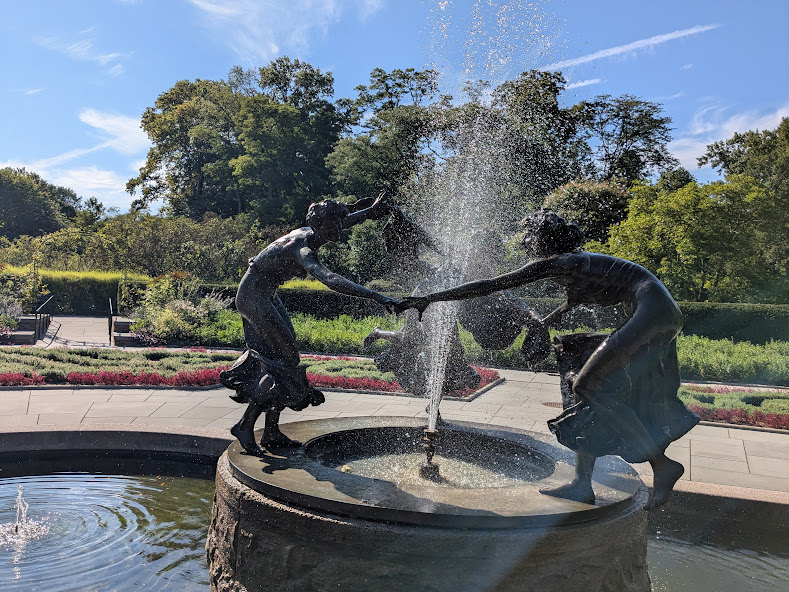
Central Park Conservatory Garden Fountain, September 2025
From my veiled personal update to the outcome of this season: tracing Bilhah and Zilpah through the conversation of rabbinic literature. I have been working toward a completed chapter draft, which is finally coming together. These handmaids present more of the ideal which commentators sought to promote, as their sons became tribal ancestors. How, then, did the rabbis continue to define the women and place them within the overarching biblical narrative through midrash? I guess you’ll have to read my dissertation (soon enough) to learn the answer to that! I have especially pondered the protection and place of enslaved women as their kinship status changed, becoming mothers of the sons of patriarchs – even as simply exemplars of an idealized cultural and national narrative.
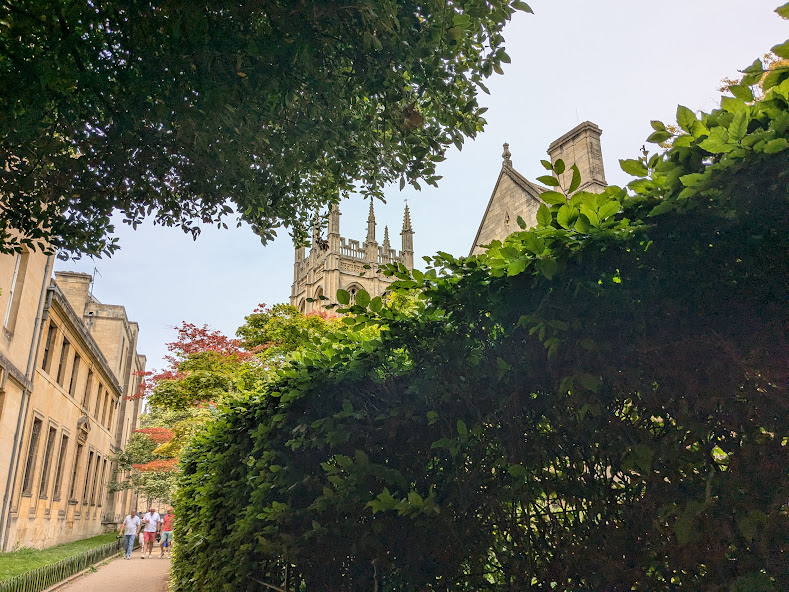
Oxford, June 2025
We have entered a new year, 5786, with the days open toward change. Reflection, the will to shift patterns and build habits, repair and reconciliation, or removal and adjustment awaits us in the ongoing season. From this may grow renewed focus, the hope brought about by efforts toward change, settling into the things that buoy and support us.
As I have for the past few years, I played music with Malkhut, a community and congregation in Queens. During the high holidays, I also blew shofar, leyned, and taught a breakout session on Yom Kippur. This year Tamar (Genesis 38) was the focus of my lesson, particularly the communal and kinship responsibility present in her story. Commentaries by Rashi and Sforno, along with excerpts from Genesis Rabbah, provided the additional texts for discussion. As usual, I really enjoyed the variety of views, insights, interpretations, and experiences the attendees brought with them into chevrusa and our conversation.
I’m looking forward now to a multitude of conversations inside sukes as we mark the harvest festival!
You May Also Like
The World is Full of Awe

Changing, Changing, Changing…Before the New Year