Natural Pathways & Strength
Araminta Ross, who changed her name to Harriet Tubman upon her marriage (to a free man) when she was twenty-two, employed years of observations, preparations, and boldness to take advantage of an opportunity for her escape from slavery. Held captive along the Maryland shore, she observed natural patterns across the land and sky, as well as the secret modes of communicating among fellow African Americans, both free and slaves. Through years of using her senses and preparing, Harriet was ready to escape when she was to be sold upon her master’s death. The Harriet Tubman National Historical Park in Auburn, New York is one place that showcases the history of this freedom leader and the bravery she repeatedly encouraged and enacted.
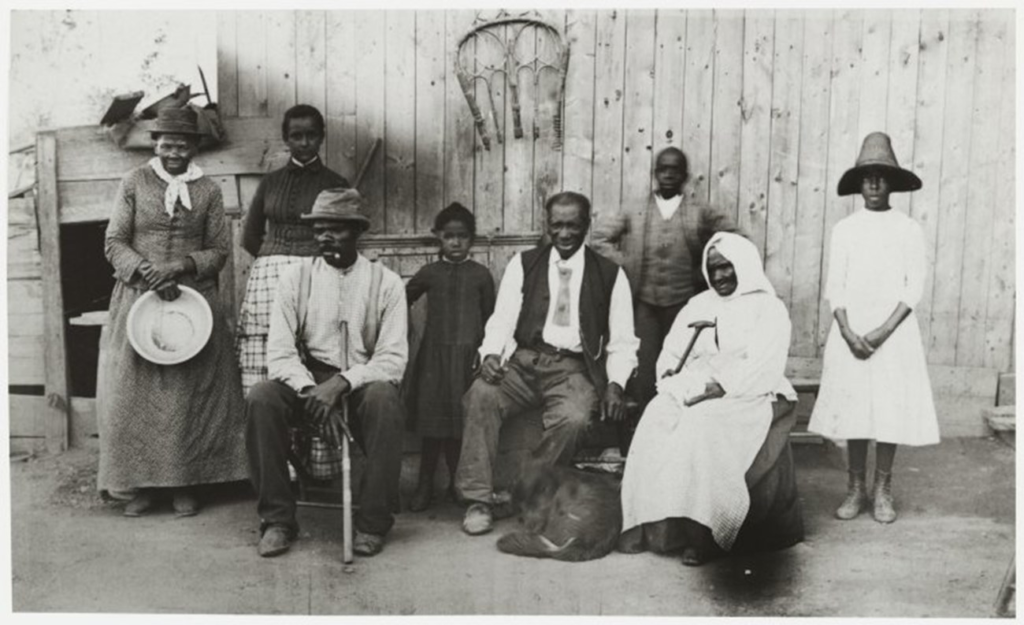
After escaping herself, Harriet returned multiple times to help family and friends reach freedom, coming back to Maryland thirteen times. She brought her fellow free African Americans to Canada, then eventually returned to the United States and found a place where she could continue her abolition work in central New York.
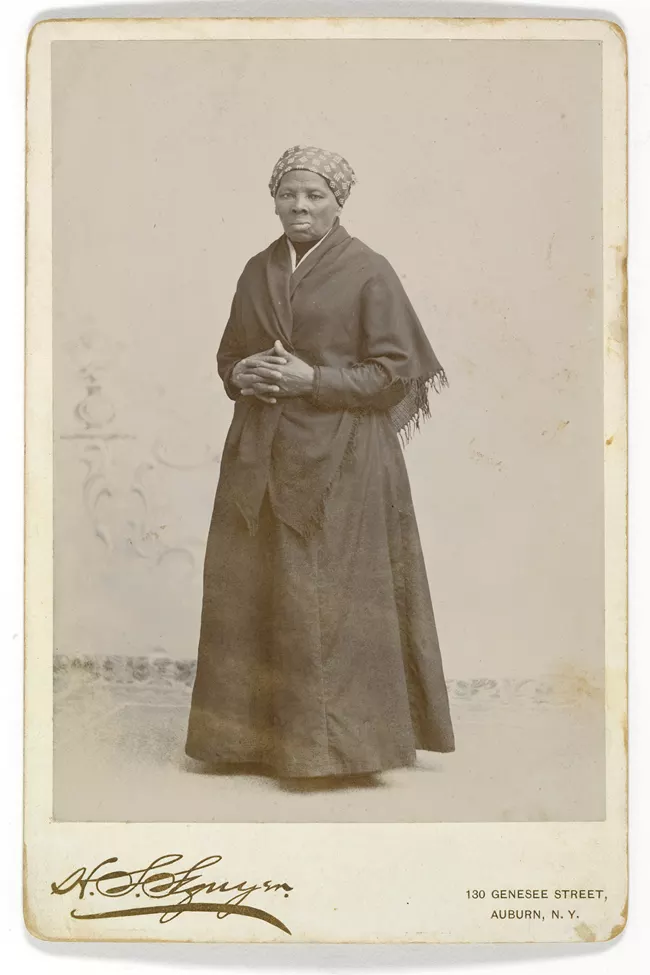
Among her other work, Harriet served the Union forces during the Civil War in a variety of ways, including as a spy and scout. She gathered intel from the Confederate forces, and joined efforts to free slaves in South Carolina. Harriet repeatedly saw her own strength and courage, choosing to act in efforts toward lasting freedom for herself and others.