Booker, Carver, Legacy
Generations of history, innovation, boldness, and power have come from Tuskegee, Alabama. In one of many towns in the southeastern region of the United States that has allowed African Americans and their descendants to be held down by segregation, hatred, bias, and racism, the power and achievements that brought about Tuskegee University shine through. Although the Tuskegee Institute National Historic Site especially highlights the contributions of Booker T. Washington and George Washington Carver, others deserve credit for the ongoing prominence of this Historic Black College.

Tuskegee University’s short history recalls the story: “…Lewis Adams, a former slave, tinsmith and community leader…had not had a day of formal education but could read and write. In addition to being a tinsmith, he was also a shoemaker and harness-maker…in exchange for…Adams securing the black vote [in Macon County] for…[the Alabama Senate re-election of W.F.] Foster…Adams told Foster he wanted an educational institution – a school – for his people. Col. Foster carried out his promise and with the assistance of his colleague in the House of Representatives, Arthur L. Brooks, legislation was passed for the establishment of a ‘Negro Normal School in Tuskegee.'”
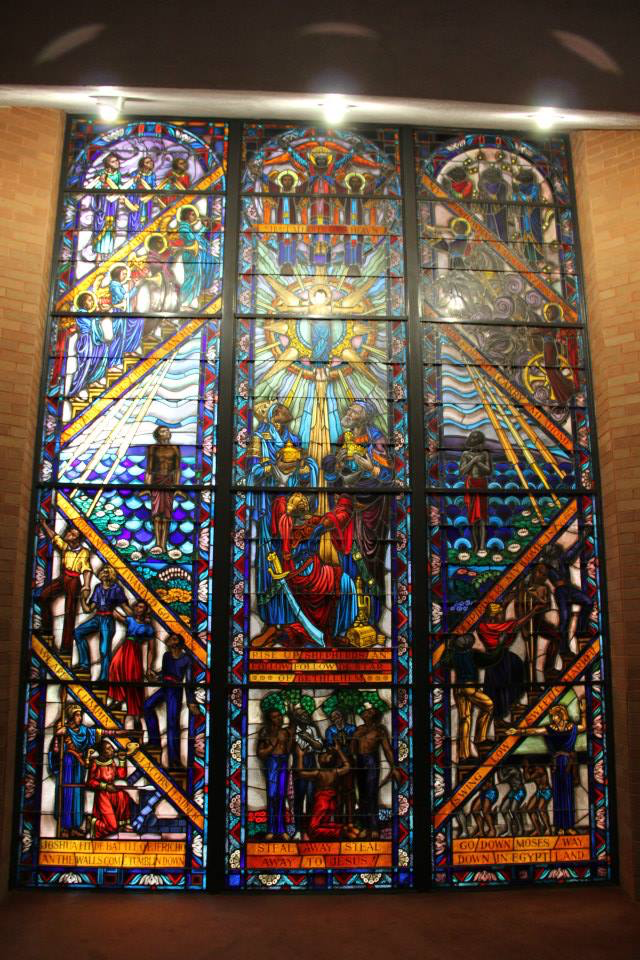
Among other campus buildings, the chapel stands out and architecture students from all over study the design.
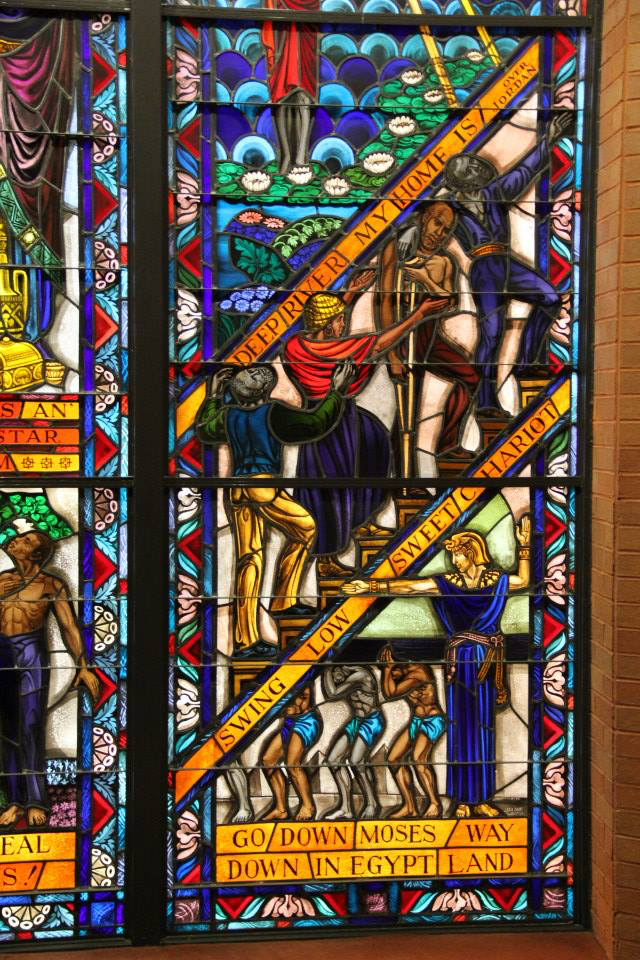
During a visit ten years ago, I was lucky enough to tour the campus, stand in awe in the chapel, and consider everything the Black residents of Tuskegee and the surrounding communities had to endure for the human right to a strong education.
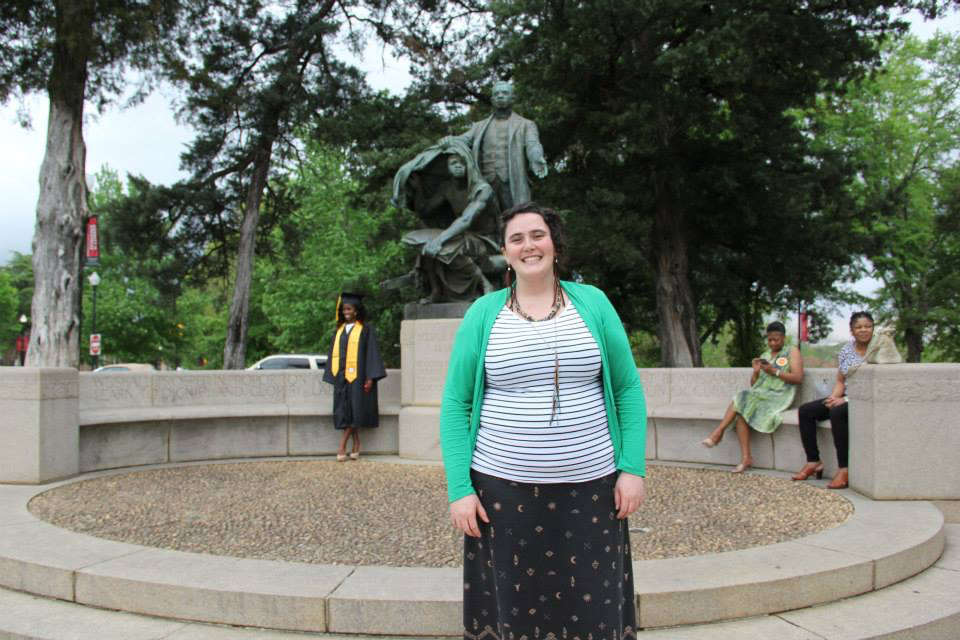
The National Park site is not the end of the journey to learn about the establishment of Tuskegee University or other HBCUs. These schools have brought about major discoveries and insights, and added to the brilliance of scholars for generations.