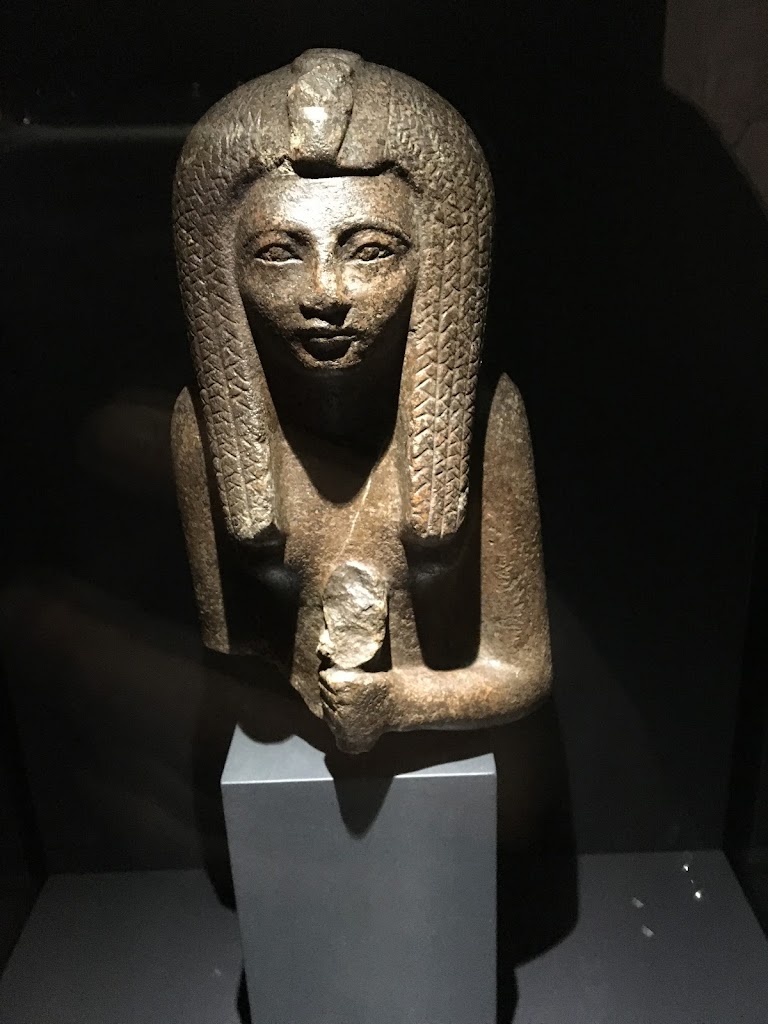
Placing Names, Naming Places
And so Shemot/Exodus, in the parsha (Shemot) of the same name, begins as our last parsha of Genesis/Bereshit ended: walking us through the generations (by names, literally שמות) of Jacob’s descendants. The missing generations and years between Bereshit and Shemot, we learn, came with a sharp turn away from prosperity and into slavery. Thus, the scene is set for a redemption, instruments (including people) thereof, and escape.
The second chapter of the book also begins with a name: Levi, one of Jacob’s sons, named as the predecessor of the parents of Aaron, Miriam, and Moses. (In this chapter, we only learn the name of Moses, though his sister is mentioned, along with his mother and father.) We follow Moses from birth, to when he floated in the Nile, grew up in Egypt, and fled into Midian, and eventually married Tzipporah in the second chapter of Shemot.
Just as the previous two chapters, in the third chapter we are brought in with a name: Jethro, Moses’ father-in-law, a priest in Midian, and someone who Moses used as an advisor.
But in this chapter, we are surprised with the appearance of G!d in a burning bush, named in a different way:
Then the speaker said, “I am G!d of your fathers: G!d of Abraham, G!d of Issac, and G!d of Jacob…”
(Later) G!d said (in response) to Moses, “I am who/what/that which I am,” and G!d went on to say, “Tell this to the Israelites/Hebrew people: I am sent me to you.”
In their continuing conversation, as Moses heard G!d’s directions for speaking to Pharaoh and continued to question the task ahead of him, the name of this new leader of the Hebrew people opens the fourth chapter of Shemot/Exodus. As Moses asked for more proof to share with Pharaoh, G!d demonstrated the performing of magic, miracle, the unexpected by turning Moses’ staff into a snake. This surprising act is followed by more examples of how Moses may display G!d’s power before the Egyptians.
In the fourth chapter, Moses’ brother is also introduced (and named) for the first time. (See the D’var Torah I shared in July 2023 for my thoughts about this part of the story.) As Aaron joined the emissary to Pharaoh with his brother, they were given instructions to literally be the mouth of G!d, directing the people.
Finally, in the fifth chapter, Pharaoh is named along with the brothers at the beginning of the narrative. Here, what G!d had directed Moses and Aaron to do is put to the test. Predictably (and necessary for the story), Pharaoh laughed in their faces and responded by heaping more work in worse conditions upon the Hebrew people. Discouraged, Moses returned to kvetch with G!d, who only urged him to continue as directed.
Thus the first parsha of Shemot/Exodus brings us into a new era of the Hebrew people, introduces many new characters and connects their names to those of the previous generations, promises delivery, and leaves us hanging as we, along with Moses, wonder if freedom from Pharaoh is really possible…

Visiting the Pharaohs at the Cincinnati Museum Center


You May Also Like

Forgotten Anchors

Changing, Changing, Changing…Before the New Year
