Prophets, Priests, & Kings
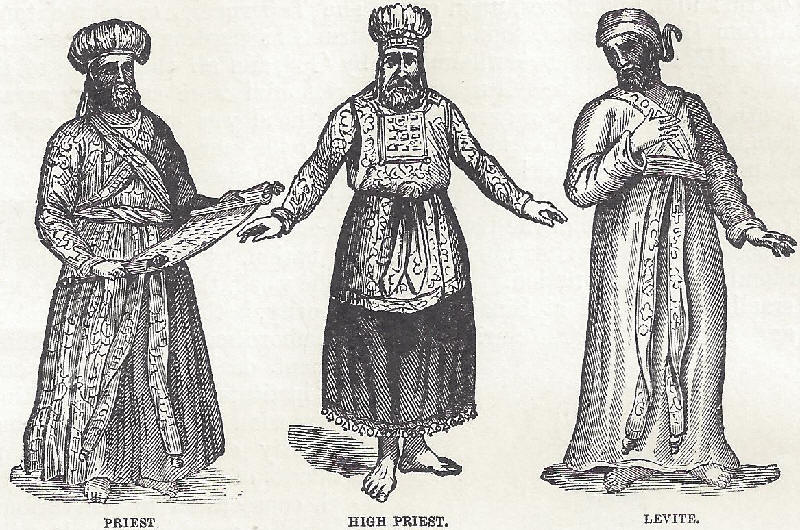
Shoftim has it all…every popular messiah-type, that is! After declaring how the shared responsibility of community judgment should be directed, along with an all-too-familiar helping of laws to keep the community pure, the text discusses the “possessions” of the Levites. The intermediaries, those responsible for the avodah (worship, sacrifice, redemptive elements) of the Hebrew community were to be supported monetarily, physically by the people whose redemption they were seeking. Rather than owning land, they were attached to the Tabernacle service, and their other physical necessities were supplied by the people whom they served.
This parsha also contributes the assertion that the Hebrew people should be allowed to have a king when they request such a ruler, or bringer of redemption, particularly political or territorial. Since the people didn’t have a king while they were wandering b’minbar, the idea of mentioning they would have a monarch in the Torah is interestingly placed within the chronological context.
Finally, in Shoftim the narrator (seen as both Moshe and G!d in different voices) speaks about a future prophet who will be like Moshe – and states that the people should listen to this prophet, asserting G!d’s appointment of them just as Moshe was appointed.
While Shoftim generally is written in the assertive voice of a sort of governing (by election? self-appointment? calling?) and virtuosic persona, we see here three messiah prototypes: Prophet, Priest, King. The felt need for redemption exists widely, but clearly this source of text and ideas is very attuned, and perhaps wants readers to feel dependent upon, a leader and bringer of redemption outside themselves. The judges, of course, are also an outside source bringing rulings and consequences to the people and creating a dependence on a ruling group (or class?).
Then again, maybe that’s how we’re supposed to be living…
[Today, a beautiful August Shabbos sitting in the NYPL’s Dorot Division, this post is a little free-thought as I move through a heavy work season into dissertation research (in a new topic! Rabbinic Literature) and get ready for a vacation.]